Customer Engagement SVG Icons: Modern Graphics for Blogs
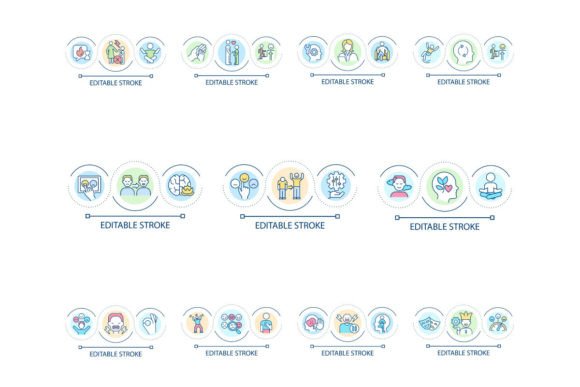
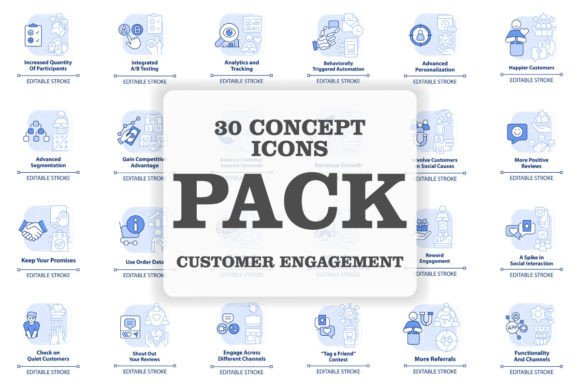
As a digital publisher who has spent the last decade refining the visual identity of multiple content platforms, I approach every new graphic design asset with a critical eye. It is not enough for an image to look pretty; it must perform. When I first opened the Customer Engagement Svg Concept Icon Set, my immediate thought was about utility in a fast-paced editorial workflow. This collection represents more than just isolated symbols; it is a toolkit for clarifying complex interactions between consumers and organizations. The thin line color illustrations offer a modern, clean aesthetic that feels perfectly suited for today's information-heavy web environment.
The editorial mood created by these Icons is one of professional approachability. Unlike heavy, cartoonish clip art that can undermine authority, or overly abstract vectors that confuse the reader, this set strikes a balance. It feels educational yet engaging, making it an ideal fit for niches focused on business growth, customer service strategies, SaaS reviews, and digital marketing tutorials. For bloggers and small business owners trying to establish trust, the visual language here says "we understand your audience" without shouting. The use of Roboto-Medium and Myriad Pro-Bold font styles in the preview materials suggests a typographic sensibility that pairs effortlessly with standard web fonts, ensuring your brand identity remains cohesive.
Integrating Vector Assets into Real Publishing Workflows
In my own publishing workflow, the versatility of a digital download like this is paramount. I imagine a scenario where I am preparing a comprehensive guide on improving client retention. The Customer Engagement Svg Concept Icon Set becomes the backbone of the visual hierarchy. Because the stroke is editable, I can adjust the line weight to match my site's specific CSS requirements, ensuring the Graphics never look out of place whether they are viewed on a retina desktop monitor or a budget Android phone.
Here is how I would deploy these assets across a typical content campaign:
- Blog Featured Images: Using the isolated symbols as the focal point against a solid brand-color background creates a clickable, clean thumbnail that stands out in archive grids.
- Pinterest Graphics: The vertical nature of many engagement concepts works beautifully for tall pins, driving traffic from social media back to the article.
- Newsletter Headers: Breaking up text-heavy emails with these thin line illustrations keeps subscribers engaged and reduces visual fatigue.
- Digital Guides and eBooks: When compiling a lead magnet, these icons serve as excellent chapter markers or section dividers, adding a layer of polish that justifies a higher perceived value.
- Canva Templates: For those creating templates for clients, these SVGs are easy to import and recolor, speeding up the creative design process significantly.
Enhancing Visual Hierarchy and Reader Trust
The primary goal of any web design element is to guide the reader's eye. Poorly chosen visuals create noise; great assets create a path. The consumer and organization interaction ideas depicted in this set are instantly recognizable. When a reader sees an icon representing "feedback" or "support," their brain processes the concept faster than if they had to read a paragraph explaining it. This improves the visual hierarchy of the page, allowing users to scan content more effectively.
Furthermore, consistency breeds trust. If you use these design assets consistently across your website header, category pages, and social media graphics, you build a stronger visual identity. Readers begin to associate that specific style of illustration with your expertise. In the world of affiliate marketing and content marketing, where skepticism is high, a polished, professional look can be the difference between a bounce and a conversion. These icons help your content pages look less like a amateur hobby project and more like a legitimate media publication.
Strategic Placement and Performance Considerations
While this asset is powerful, it requires strategic placement to maximize its impact. It works best in hero images where the detail of the thin lines can be appreciated, or in article thumbnails where the color palette pops against a white or light gray background. They are also exceptional for printable design elements like worksheets or checklists included as content upgrades.
However, caution is advised in certain contexts. Because these are thin line illustrations, they may lose definition when scaled down to very small mobile thumbnails or favicons. In busy layouts with complex backgrounds or low-contrast colors, the delicate strokes might get lost. Additionally, for extremely serious corporate niches—like legal counsel or medical diagnostics—you might need to ensure the colorful nature of the set doesn't feel too playful. Always test the contrast. Place the icons beside your standard serif, sans serif, script, and display fonts to ensure the pairing feels harmonious before publishing.
Technical Notes for Publishers and Designers
Before integrating the Customer Engagement Svg Concept Icon Set into a live production environment, there are practical steps every publisher should take. First, review the file size. While SVGs are generally lightweight, ensure they are optimized for web performance to avoid slowing down your page load times, which is a critical ranking factor. Second, always verify the commercial license. If you are using these on monetized websites, affiliate landing pages, or in paid digital products, you must confirm that the license from the creative marketplace covers commercial use.
Finally, treat these icons as part of a larger system. Test them in black and white to see if they hold up without color dependency. Preview them inside your actual blog layout, not just in isolation. Does the icon support the headline, or does it compete with it? By asking these questions, you ensure that this graphic design asset serves its ultimate purpose: elevating your content, clarifying your message, and engaging your audience with the professionalism they expect from a top-tier publisher.