Editable Work for Hire Agreement: Graphics & Graphic Templates
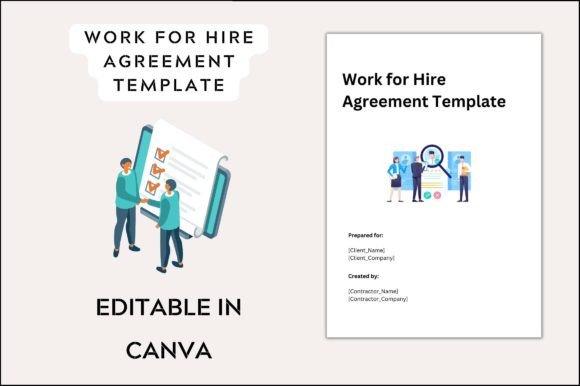
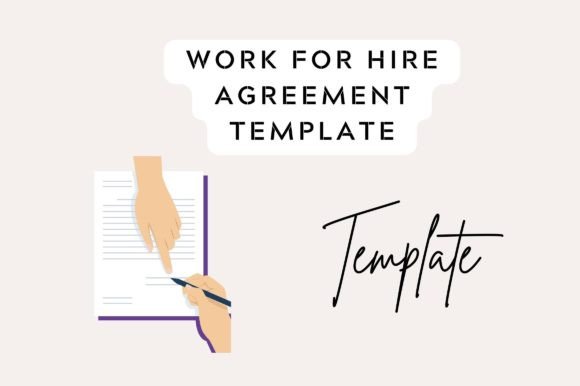
As a brand designer who has spent years refining identities for local bakeries, boutique skincare lines, and artisanal food producers, I approach every new graphic design asset with a critical eye. It is not enough for a file to look good on a screen; it must hold up under the scrutiny of physical production, shelf placement, and customer interaction. Recently, I evaluated the Editable Work for Hire Agreement, a resource that initially caught my attention for its versatility in professional documentation but revealed surprising potential when viewed through the lens of comprehensive small business branding. While primarily a legal framework, the presentation and structure of such templates often mirror the aesthetic standards required for high-end Graphic Templates used in product packaging and promotional materials.
First Impressions and Brand Mood
Upon opening the Editable Work for Hire Agreement, the immediate impression is one of structured clarity and professional reliability. For a local business owner, particularly those in the handmade or organic sectors, the mood conveyed by their documentation is an extension of their brand personality. This asset suggests a tone that is trustworthy, organized, and modern. It avoids the cluttered, amateurish feel of generic forms, instead offering a clean canvas that aligns well with brands aiming for a premium or minimalist aesthetic. Whether you are launching a new candle line or rebranding a neighborhood coffee shop, the visual language of your contracts and agreements sets the stage for how clients perceive your operational integrity. The design feels sufficiently flexible to adapt to various styles, from the rustic charm of a farm-to-table market to the sleek elegance of a luxury beauty brand.
Integrating Legal Assets into Visual Identity
You might wonder how a work-for-hire agreement fits into a discussion about packaging design and product labels. The connection lies in consistency. A strong brand identity does not stop at the logo or the box; it permeates every touchpoint, including the paperwork handed to freelancers, photographers, or packaging designers. By utilizing a polished template like the Editable Work for Hire Agreement, you ensure that your backend operations reflect the same quality as your frontend marketing visuals.
In practical terms, the structural elements found in this template—clean typography, clear visual hierarchy, and balanced whitespace—are directly applicable to creating social media graphics, menu layouts, and price lists. When I review Graphics for client projects, I look for this same level of legibility and order. If a document can clearly define scope and payment terms without visual confusion, it proves that the underlying design principles are sound enough to be applied to hang tags, thank-you cards, and even ingredient lists on product packaging. This asset serves as a reminder that professional branding is holistic; the "boring" documents are part of the overall customer and partner experience.
Enhancing Product Presentation and Trust
The true value of adopting a premium template extends beyond mere aesthetics; it fundamentally strengthens business presentation. For handmade business owners and product sellers, trust is the currency of trade. When a potential collaborator or a high-value client receives a document that looks professionally typeset and thoughtfully laid out, it signals that the business is established and serious. This psychological boost translates to better product recognition and improved customer trust.
Consider the application of these design principles to physical goods. The same attention to detail that makes the Editable Work for Hire Agreement effective can be leveraged to create clearer visual hierarchies on product labels. A well-organized layout ensures that crucial information—such as net weight, ingredients, or usage instructions—is instantly readable, thereby improving shelf appeal. In a crowded marketplace, whether it is a local farmers' market or an online storefront, having a cohesive look across your digital downloads, printed contracts, and physical packaging creates a stronger emotional connection with your audience. It tells a story of a brand that cares about every detail, from the initial handshake to the final unboxing.
Strategic Applications for Local Brands
This type of structured design asset works best when applied to areas requiring clarity and authority. It is ideal for hero graphics on websites where you outline your services, for promotional banners announcing new collaborations, and for the informational inserts included in subscription boxes. For boutique visuals, the clean lines and professional formatting can be adapted for lookbooks or seasonal campaign graphics.
However, caution is advised when adapting such formal structures for more decorative purposes. In editorial design or highly artistic web design, rigid templates can sometimes feel too corporate if not softened with brand-specific colors and imagery. It should be used carefully on very small labels where space is at a premium, or in ingredient-heavy layouts where decorative elements might compete with legal requirements. For luxury minimalist brands, ensure that the font weights and spacing do not appear too heavy, which could detract from an airy, exclusive feel. Always prioritize legibility over decoration, especially in areas designated for legal information or safety warnings.
Practical Notes for the Working Designer
Before integrating any template into a client's ecosystem, rigorous testing is essential. As a designer, I recommend the following steps when evaluating the Editable Work for Hire Agreement or similar design assets:
- Test on Real Mockups: Visualize the document alongside your product mockup files to ensure stylistic harmony between your contracts and your packaging.
- Check Black and White Usage: Verify that the design remains legible and professional when printed in monochrome, a common requirement for internal filings or faxed copies.
- Preview on Small Scales: If adapting elements for small labels or stickers, preview the text at 100% size to ensure no details are lost.
- Color Compatibility: Test the template with your specific brand palette to see if the default grays and blacks complement your primary colors.
- Competitor Analysis: Compare the visual weight of the document against competitor packaging to ensure you stand out while maintaining industry standards.
- Print Quality Review: If printing physically, check the resolution and vector sharpness to avoid pixelation.
- Font Pairing: Experiment with pairing the template's base fonts with your brand's serif, sans serif, script, or display fonts to create a unique voice.
- Licensing Verification: Most importantly, confirm the commercial license terms. Ensure you have the rights to use the template for client work, business branding, and physical product sales without restriction.
In conclusion, while the Editable Work for Hire Agreement is fundamentally a tool for legal protection, its design DNA offers valuable lessons for professional branding. By treating every document as a piece of your broader visual narrative, local business owners can elevate their perceived value and create a more unified, trustworthy brand experience. Whether you are a creative entrepreneur managing a team or a solo maker handling all aspects of production, the clarity and professionalism embedded in quality Graphic Templates are indispensable tools for success.