Review: Hand Drawn Rock Inspired Mono 8 for Stitchers
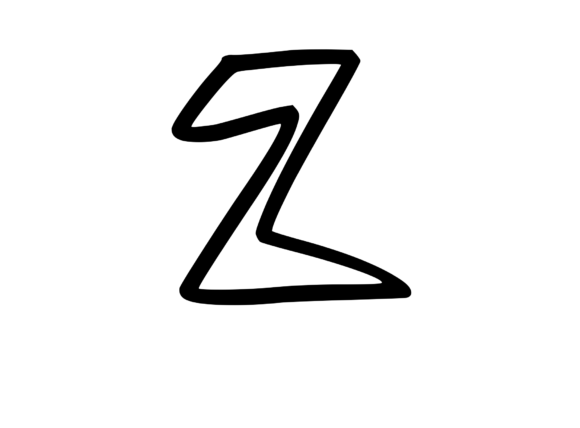
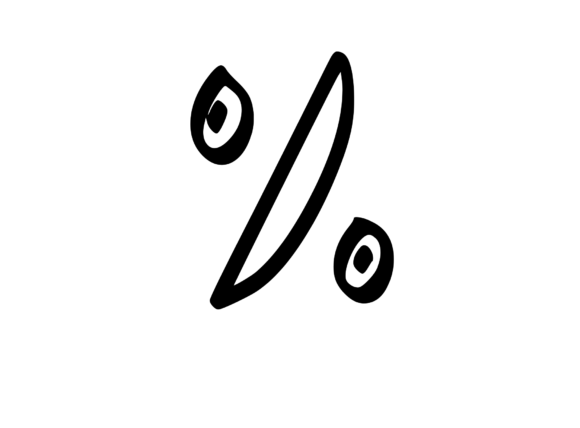
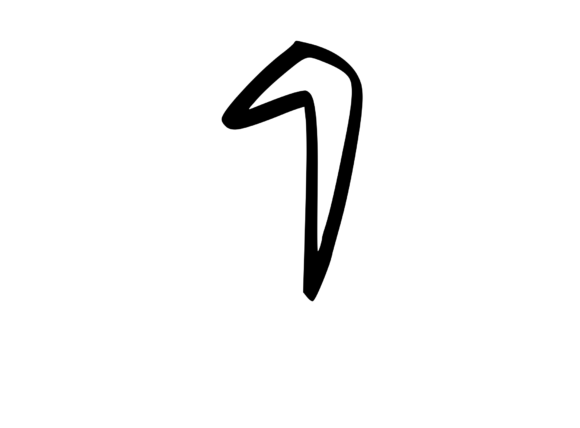
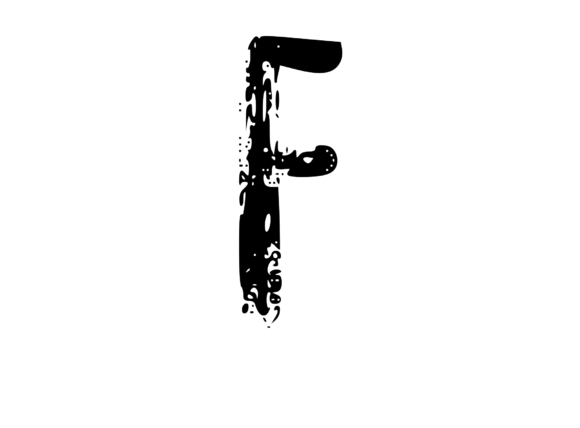
When I first pulled up Hand Drawn Rock Inspired Mono 8 on my screen, I didn't just see a graphic; I saw a potential bestseller for my upcoming fall collection. As someone who spends hours digitizing and stitching, I approach every new embroidery file with a critical eye. Will it stitch out cleanly? Does the aesthetic translate well from vector to thread? This specific design, categorized under Crafts and Graphics, immediately struck me with its raw, artistic energy. It feels less like a computer-generated image and more like something sketched in a notebook during a concert, which is exactly the vibe many of my clients are chasing right now.
The Aesthetic: Raw, Edgy, and Versatile
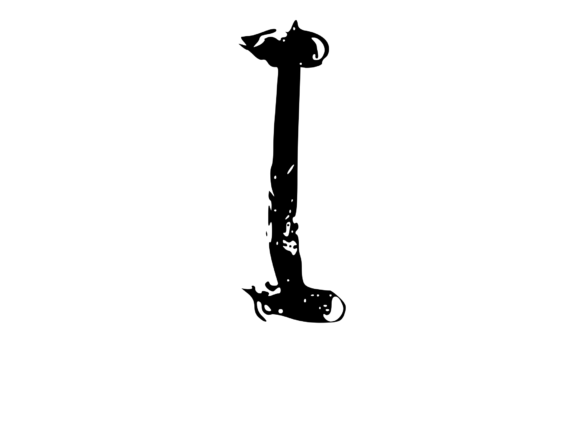
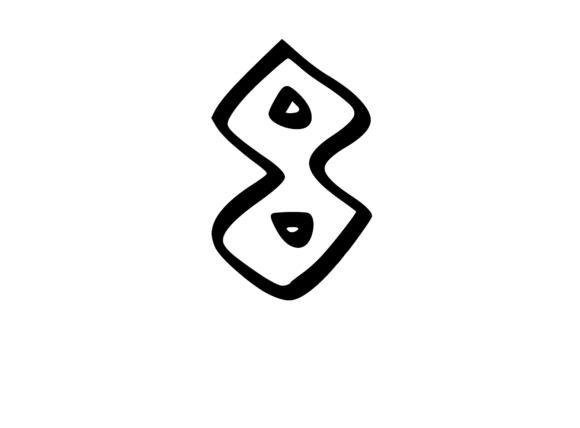
The "rock inspired" theme isn't just a label here; it's woven into the very lines of the artwork. The mono-line style suggests a hand-drawn quality that avoids the sterile perfection often found in standard fonts or clip art. For an embroidery project, this is a double-edged sword that leans heavily toward the positive. The irregularities in the line weight give the design character, making it perfect for brands that want to appear authentic and handmade rather than mass-produced.
Visually, the layout is balanced but dynamic. It doesn't scream for attention with excessive density, which is a relief. High-density fills can often make a garment feel stiff or cardboard-like, especially on softer fabrics. Instead, this design relies on strong outlines and strategic spacing. This makes it an excellent candidate for a variety of applications, from a subtle chest logo on a custom apparel line to a bold statement on the back of a denim jacket.
Real-World Application: The Tote Bag Test
To truly evaluate Hand Drawn Rock Inspired Mono 8, I imagined a specific real-life scenario: creating a limited run of canvas tote bags for a local music festival vendor. Canvas is a textured fabric, and detailed graphics can sometimes get lost in the weave. However, the bold nature of this rock-inspired motif holds up remarkably well.
If I were stitching this onto a natural cotton tote, I would likely opt for a high-contrast thread color, perhaps a deep charcoal or a vibrant electric blue against the beige background. The open spaces in the design allow the fabric texture to peek through, enhancing that "handmade product" feel. For a sweatshirt embroidery project, say a heavyweight fleece hoodie, the design would need a robust stabilizer to prevent puckering, but the linear nature of the art means it won't add unnecessary bulk to the shoulder area.
This versatility extends to smaller items as well. Imagine this design scaled down for an embroidered patch. The clean lines would translate beautifully into a satin stitch border with a fill stitch interior, creating a durable accessory that customers love to iron onto jackets or backpacks. It also works wonderfully for baby embroidery if softened with pastel threads, proving that "rock" doesn't always have to mean aggressive; it can just mean cool and unique.
Technical Considerations for the Machine
While the visual appeal is undeniable, a professional designer must look beyond the surface. When working with a machine embroidery design that mimics hand-drawing, stitch direction is crucial. If the original SVG paths are not optimized for embroidery, your machine might try to stitch in erratic directions, leading to thread breaks or poor coverage.
Before committing to a full production run, it is vital to test the design on scrap fabric that matches your final material. Pay close attention to the stitch density. If the lines are too thin, they might disappear on dark fabrics or fail to cover the material properly. Conversely, if the digitizer has made them too thick, the "sketchy" feel might be lost, turning into a solid block of thread. I always recommend running a test on both light and dark backgrounds. On dark fabrics, you may need to add an underlay or use a slightly thicker thread to ensure the rock-inspired details pop.
Another factor to consider is the hoop size. Depending on how large you intend to stitch Hand Drawn Rock Inspired Mono 8, you need to ensure your hoop can accommodate the dimensions without needing to re-hoop, which can cause alignment issues. For curved surfaces like caps or hats, this design requires careful placement. The center of the cap is unforgiving; any distortion in the hand-drawn lines will be immediately obvious to the eye. A sturdy backing and possibly a topping stabilizer would be non-negotiable here to keep the stitches floating above the fabric texture.
Commercial Viability and Branding
For Etsy sellers and small shop owners, the uniqueness of a design is currency. Hand Drawn Rock Inspired Mono 8 offers a distinct visual personality that helps products stand out in a crowded marketplace. Whether you are selling holiday embroidery gifts, wedding favors, or everyday boutique merchandise, this asset adds a layer of professionalism and artistic flair.
Using this graphic in your printable mockup previews can significantly boost buyer engagement. Customers respond well to designs that look curated and intentional. However, transparency is key. Since this is a digital asset falling under Graphics, you must verify the licensing terms before selling finished items or the digital files themselves. The product description mentions it is great for artists and crafters to "proudly reproduce," but always confirm if there are restrictions on the number of physical sales or if attribution is required.
Final Verdict and Designer Notes
In conclusion, Hand Drawn Rock Inspired Mono 8 is a robust choice for designers looking to inject some edge into their portfolio. Its strength lies in its adaptability; it looks just as at home on a rugged work apron as it does on a delicate pillow cover. The hand-drawn aesthetic bridges the gap between digital precision and human touch, which is the holy grail of modern crafting.
My advice for anyone integrating this into their workflow:
- Test First: Always stitch a sample on your intended fabric. What looks good on screen might behave differently on fleece versus twill.
- Check Contrast: Ensure your thread colors provide enough contrast against the fabric, especially for the finer details of the rock motif.
- Stabilize Properly: Don't skimp on stabilizer, especially if working with stretchy knits or textured weaves.
- Verify Licensing: Confirm the commercial rights for your specific business model, whether you are selling the physical finished product or using it as part of a larger design asset pack.
By treating this file with the respect and technical scrutiny it deserves, you can create stunning, high-value items that resonate with customers who appreciate genuine, artistic craftsmanship. It is a solid addition to any library of design assets, ready to be transformed into something tangible and beautiful.